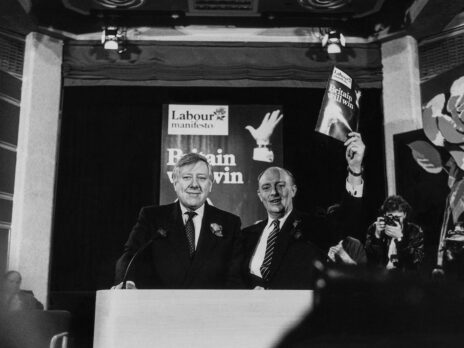
Labour has had its bad moments, devaluation in 1949 under Clement Attlee, devaluation again in 1967 under Harold Wilson, and the International Monetary Fund crisis in 1976 under Jim Callaghan. But all those crises were largely beyond the control of government.
The unfolding war in Iran is a huge external shock, but the crisis that Keir Starmer finds himself in is both greater and more self-inflicted than these three black spots in Labour history. Unlike the earlier prime ministers, Starmer arrived in office with an underpowered cabinet and No 10 and without a plan, most significantly for growing the economy. Starmer and his Chancellor, Rachel Reeves, have failed to generate growth.
For all that, changing the skipper is deeply perilous, even if the local elections are terrible. The bubble will get very excited about whoever Starmer’s successor is, but in truth they don’t matter very much. Starmer is hard-working, honourable and highly intelligent. He may even be improving. And he certainly won’t give up the captain’s bridge without a huge fight.
A change of leader at this point, especially if accompanied by the appointment of a new chancellor in whom the markets had no confidence, could prove fatal. The markets are watching fiscal policy like hawks: Andy Burnham’s comments on 29 April on borrowing outside the fiscal rules to fund defence spending had an immediately adverse effect.
The government is much closer to stoking a financial crisis akin to Liz Truss than it realises. Labour has precious little room for manoeuvre: failing to grow the economy, and imprudent spending decisions over the last two years, have contributed significantly to this predicament. A surgical replacement of Reeves by either Pat McFadden or John Healey, both of whom would command respect from the markets, would help shore up Starmer’s position.
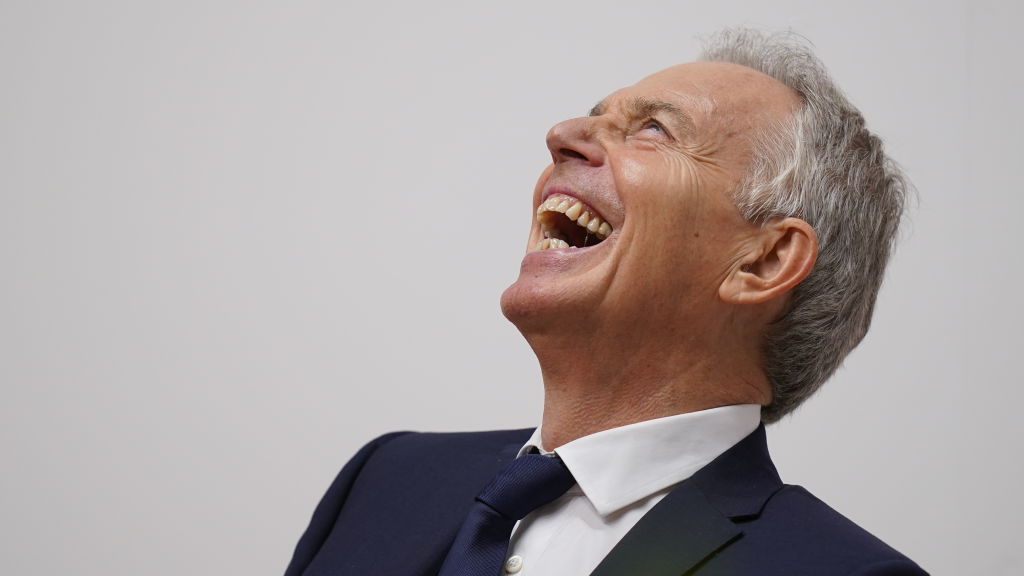
But so too would bringing back some of the wisdom and experience that is available. Most conspicuously, Tony Blair could be appointed foreign secretary, though it would be tough on Yvette Cooper who’s doing a good job. But at the time of greatest international peril since the end of the Cold War, to have a figure representing Britain who is known across the world, and widely if not universally respected, would transform Britain’s power. He would, if given the office, stand up to Donald Trump and to Vladimir Putin: one of his last actions as prime minister before he stood down in 2007 was to read the riot act in private to Putin, who was pleased to see the back of him.
“Blair has far too much baggage above all Iraq,” people said when I wrote about the idea earlier in the year. And yes, Iraq still casts a long shadow. But he would not be the first prime minister to come back to be foreign secretary with an awkward history. The post is unlike any other in the government, and for most of British history was a more senior position than chancellor of the Exchequer. David Cameron carried far more authority internationally when he returned as foreign secretary in October 2023 than is generally realised, and gave a big lift to the Sunak premiership. The worries about his baggage, including Brexit and the Greensill lobbying affair, didn’t become an issue. Alec Douglas-Home returned as foreign secretary under Ted Heath in 1970 with much more baggage, namely his association with appeasement as Neville Chamberlain’s bag carrier at the Munich conference in 1938. Yet he proved an effective and respected foreign secretary for over three years.
Bringing back Blair would help Starmer domestically as well, and would provide him with guidance on how to be Prime Minister, a subject on which he has not been listening thus far. Starmer would find it very hard to ignore his counsel. Blair would also provide stability and confidence to the markets. For ten years when he was prime minister and Gordon Brown was chancellor, the country saw fiscal prudence and economic growth. It was also the most successful period for the party electorally in its history. Economic success and electoral success go hand in glove.
Why stop at Blair? Old hands, albeit not enough of them, are already bringing steel to Starmer’s team. The skills minister Jacqui Smith, Brown’s former home secretary, is proving one of the most effective middle-ranking ministers in Starmer’s government, while the former health secretary Alan Milburn is showing cabinet ministers how to get the job done in his capacity as leader of the review into Neets (people not in education, employment or training).
John Major is the latest senior figure to say that the constant churn of prime ministers is madness and has to stop. As PM between 1990-97, he was constantly the subject of leadership challenges. Now, with the perspective of 30 years of history, he looks like a much better PM than contemporaries thought. Like Starmer, he was diligent and hard-working, but not a star communicator. His record in office stands up well. Could the same be true of Starmer’s?
Starmer needs to take bold decisions across the board. The best leaders are bold leaders. Why, at a moment of such peril for the country, would Keir Starmer not want to be bold and draw on the brightest and best?
Anthony Seldon is writing “Sunak at No 10”, the next in his series on British prime ministers. But he is really hoping not to write Starmer at No 10 for a decent time yet
[Further reading: Lame duck prime ministers rarely last long]
Content from our partners

Related