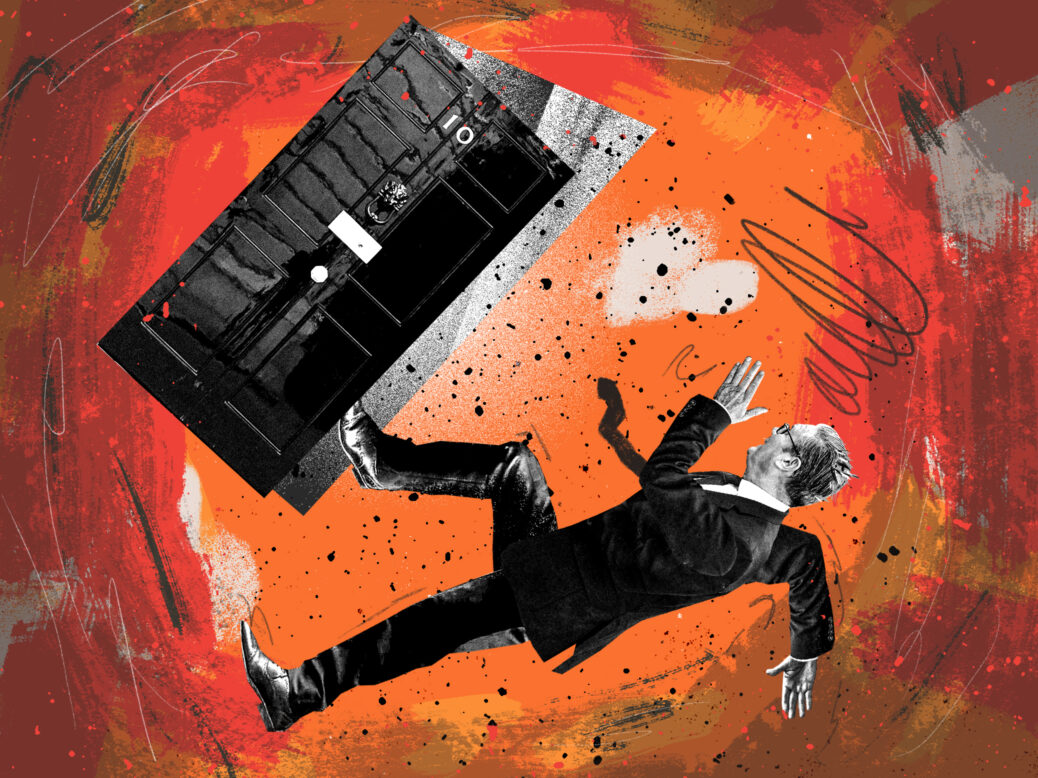
It seems Keir Starmer hasn’t got the memo. He is ignoring political gravity, clinging to that famous grey-brick building when every signal says he must fall. He is going to fight, he insists. No 10 has both Shabana Mahmood and Ed Miliband on resignation watch, should Andy Burnham win Makerfield, as the polls suggest he will (I write before the by-election result is known). They are even worried about Yvette Cooper.
Yet on he fights. It feels like the final hours of Boris Johnson. On the other hand, what else could he say? It is perfectly possible that Burnham will be defeated; that then Wes Streeting, Al Carns and at least one female candidate launch leadership bids; and that in the ensuing chaos, Starmer does well enough to survive. Unlikely, but it’s possible. Life and hope and all that.
Perhaps, though, Starmer’s determination will prove as insignificant as Thatcher’s promise to fight on, fight to win, just before she surrendered to… well, political gravity. As he flings out initiatives to save himself in the last days before a likely contest, it’s only fair to reflect on the nature of his failure, and the extent to which he should be blamed for it.
Starmer arrived, with too much cold self-possession and confidence, to lead a nation convulsed by multiple crises yet running from the truth about itself. The July 2024 election was marked by lies on tax and spending – what was possible, what wasn’t – from Labour, but also from the Tories and Reform. Further multiple blows arrived, not just the Ukraine war and Donald Trump, but a crash in the birth rate, a sense of lawlessness, the impact of AI on employment. It was a moment that demanded ruthless political leadership, strong enough to change the country’s direction by imposing unpopular decisions – wrenching the rudder.
Did anyone say this to Starmer in 2024? He came as an administrator, a process man: many of us, including me, hoped that might be enough after the chaos of the Conservative years.
It hasn’t been. Brexit, war in the Middle East, the migration argument, the cost-of-living emergency, all sharpened and poisoned by bad actors online, produced a growing sense of permacrisis. Labour arrived unprepared, and in particular without the thinking or passion to fight a culture war about British identity. A Blair or a Thatcher would have struggled. Starmer’s Labour sank.
What now? Nations going through our level of decline and self-doubt often reach for authoritarianism. Grip becomes more important than tolerance; at least the autobahns get built and unemployment falls; at least the trains run on time.
This could be where Britain is heading next. There will be no exact repetition of the past. Nigel Farage is not Mussolini, nor is Rupert Lowe Adolf Hitler. Democratic norms may be tested but – as I think is going to happen in the US – they will survive. Still, if social democracy fails now, some form of more right-wing, more nationalist and less plural politics will sweep in.
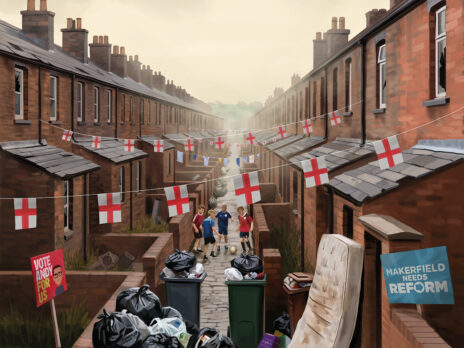
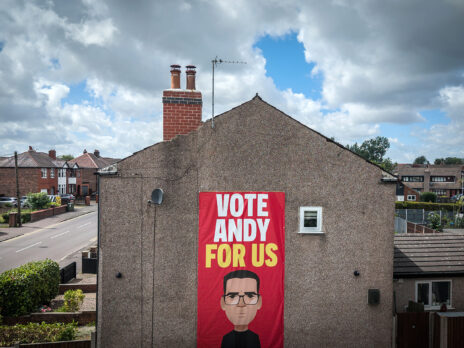
Listening to Burnham campaigning, it was clear that he was trying to offer a radical change to match Reform. Throughout the campaign, his policy platform remained a work in progress. There were hand signals on specific policies from business rates to the North Sea, but without a coherent plan for government. That’s not surprising. He had to keep his powder dry during a frenetic by-election campaign. But his central proposition – that Westminster is not working for many constituencies and that politics itself needs to change – is the right one in general terms.
How would a Burnham government really differ from a Starmer one, in more than “vibes”? Vibes matter. The fact that Burnham speaks in a friendly, normal way matters. He seems a genuinely fresh and adroit campaigner. But whoever successfully challenges for the top job, will be coming into – forgive my language – an economic and political shitstorm.
The cost-of-living challenge will be extreme this winter. We are not far from bond-market meltdown, nor from more widespread violence over race and immigration. Meanwhile, the centre of government is scarily weak.
Then there’s the longer term. In a recent post, the analyst Josh Hunt listed six “inversions” Britain has experienced, starting with a collapse in population growth and the shift from tax-paying workers to carers. He pointed out how far these huge changes are from parliamentary thinking: “A fertility rate of 1.41 destroys no jobs this quarter. It closes a primary school in four years, shrinks the graduate intake in 20, and bankrupts the pension settlement in 40. There is no single morning on which the inversion is the story.”
This is not to pile doom upon doom, but to suggest that clear, long-term thinking about (and honest explaining of) our biggest problems could gain a government respect and authority – or at least a hearing.
So, the first task for whoever succeeds Starmer will be to strengthen the centre, not to construct a cabinet based on friendships or party factions. They will need a chancellor who can protect them from our international creditors. This does not mean eschewing radicalism: the markets are in the end, just people, and capable of being won round to a long-term plan.
A new PM will need, therefore, the best people, the best explainers – and will have to give them their head. A problem during Starmer’s time was the lack of open discussion before policies or initiatives were announced. There are literally scores of examples. The next prime minister should think about creating an inner cabinet of their biggest characters, meeting in semi-permanent session to chart the way ahead.
Whoever it is will not be able to do everything. Never before have we had a new leader trying to come in with so little preparation and so little time. The priority must be to show voters they can successfully address a few specifics. After the John Healey resignation, that starts with defence. It might mean a new national initiative on the shoplifting and epic street-crime epidemics, and national control of water. If they try to do too much too quickly, they will fail very fast.
But “changing politics” is about more than cabinet ministers. The Parliamentary Labour Party is a vast resource of expertise and local knowledge left idle and untapped. Burnham has talked about the oppressive nature of whipping; if he becomes Labour leader, he should go further and group large numbers of MPs around policy areas, bringing them into the decision-making process. This would be, as it were, his beloved devolution, applied to life in SW1.
Burnham has also said he is keen to work beyond party boundaries: a swift commission on voting reform and replacing the Lords could give him the basis for a wider agreement with the Liberal Democrats. That, after showing in Makerfield that Reform can be beaten, would change the atmosphere dramatically.
But I am getting beyond myself. The main lesson of Starmer’s experience in Downing Street is that Britain must think more radically and make more brutal decisions for long-term survival. And that requires a style of leadership, far removed from lawyerly managerialism, that Labour isn’t used to.
The fatal lack wasn’t sufficiently noticed, including by Starmer’s critics, when he took over: for that, he deserves sympathy rather than loathing. Burnham, if he enters No 10, deserves goodwill and patience from everyone on the centre left, because this will be a far tougher, bleaker gig than it has been for any new prime minister in any of our lifetimes.
[Further reading: John Healey’s resignation heralds the end for Keir Starmer]
Content from our partners

Related