A man knocks on the door of a house. He feels well prepared for the evening ahead. He’s wearing a dinner jacket, bow-tie, shined black shoes and carrying a bottle of wine. He goes in. It’s an orgy, and everyone else is naked.
Or a man turns up for a bout of bantamweight fisticuffs under Queensberry rules, only to discover that the promoter has arranged a cage fight – biting and gouging very much encouraged.
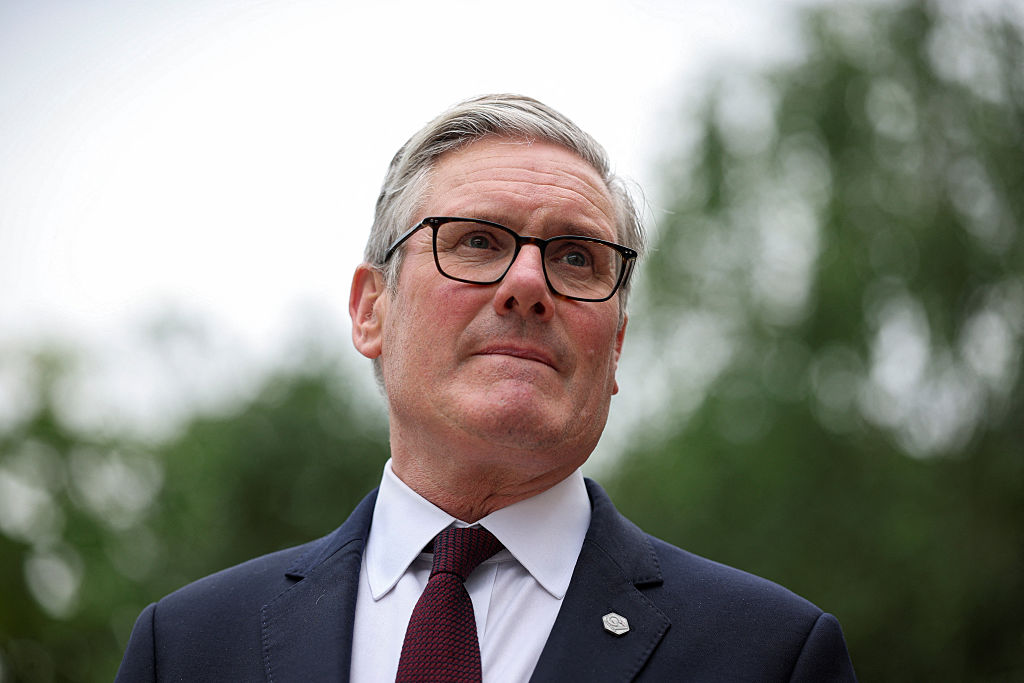
Which is only to say that Keir Starmer arrived for a career in politics unprepared for what a career in politics actually means.
A solitary, guarded character, he wanted to thrive in a world formed by gregarious extroverts and fuelled by personal relationships, dealmaking and treachery. Cautious in demeanour and lawyerly in language, he had entered a frenzied competition of persuasion, argument and hyperbole.
Accustomed, as in court, to being taken at his word and treated with respect, he found himself in a raucous, jeering environment where many assumed he was a compulsive liar, and a figure of fun.
This torture of being an obstinately square peg in a series of tight, round holes, has been Starmer’s fate; but was not, strictly speaking, his fault. His loathing of politics and his disdain for it is shared, after all, by many millions of voters. And was it, in the end, so unreasonable? Who would take over a defeated party wracked by anti-Semitism and feuding, and face Boris Johnson calling you a “pointless human bollard”, and conclude that politics is a fine romance?
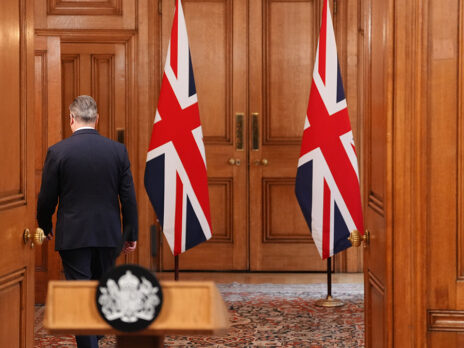
The only trouble was that, by the time all this was clear, he was Prime Minister.
All his life, Starmer had been competitive and ambitious. Rising to the top at Westminster must have seemed simply the next obvious thing – the bigger gong, the final flourish. Trouble is, politics is unlike anything else and far, far harder than it seems from the outside. I guess he knows that now.
Keir Starmer may have taken decisions that were hated around the country, from the winter fuel cut to the Chagos deal, and the failure to properly fund defence. He may have let himself down, as in the early, inexplicable acceptance of cash to buy spectacles and clothes. He certainly treated people around him, who only wanted to help, icily… and then he sacked them, not even face-to-face.
These are deep failures. They are part of the story of the wider failure. But they don’t quite explain the loathing he began to attract from less well-informed voters. He hadn’t, after all, like Liz Truss, brought Britain near to market meltdown. He hadn’t held parties in Downing Street when the rest of the country was in lockdown. All right; he could sound irritatingly prissy. But he was hardly a dangerous maniac.
And already there is sellers’ remorse. Was Starmer really that bad? Have we all been beastly and unfair to him? What must it be like over the weekend, padding round the soft comforts and sunlit beauties of Chequers, knowing that so many ministers who owed him their jobs had ratted? He will be angry. He will be in great pain. And that is reasonable.
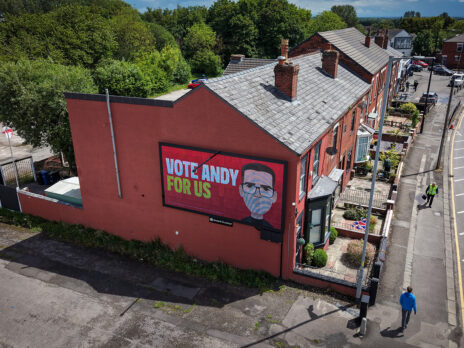
If, as it seems, he is going to allow a relatively orderly transition to Andy Burnham, then I think Labour will remember him positively for the 2024 election; for making the party acceptable to middle-ground voters; and for his deft, patient handling of that unpredictable and dangerous man in the White House.
They will remember, more important than any of this, that he spoke up loud and clear against the venomously racialised politics Britain faces, partly imported from bad actors abroad.
If it wasn’t his fault that he was unprepared for the realities of politics, it was also not his fault that he inherited a country already so weakened by Brexit and the costs of the Ukraine war; and an electorate sold the illusory prospectus of Conservative fiscal fantasy. This was an inheritance that a greater natural politician would have struggled with. Starmer couldn’t cope with it but it would have sorely taxed a Wilson or a Blair.
What has been his fault, and the single biggest contributor to his fall, is the lack of curiosity. He didn’t challenge the underlying politics of the last election campaign – he didn’t ask himself whether this was a massive anti-Tory vote, and therefore a situation where he needed to leave himself enough space to raise the funds to make the change, he promised. Did that conversation ever happen?
In office, shortly afterwards, he didn’t challenge the early Treasury mis-steps; he didn’t want to hear the increasingly panicky reports from his own backbenchers about winter fuel; he didn’t stress-test his own welfare reforms, or stick by them when they’re going got tough; on ID cards, he wasn’t listening to those who told him better ways to sell the policy. He didn’t want to hear about the risks of appointing Peter Mandelson to Washington. He accepted Treasury arguments against further rises in defence spending, without effectively pushing back. That was more than a lack of curiosity: did he mean what he said about the Russian threat?
There are more examples. The most common criticism of Starmer has been his lack of vision. One colleague asked him early on why he wanted to take over the Labour Party – what his vision for it was? He replied that he wanted to tear out antisemitism “by the roots”. His colleague left, thinking, “yes, great being against Jew-hatred… But is that it?”
As David Hockney could have told him, being able to paint the big picture matters. A leader who could have made the big arguments about Britain’s place in the turbulent 2020s, about the changes in spending that needed to be made, our strengths as a country and a better future we can still reach, would have done better.
All leaders are tested by unexpected and sometimes shocking reverses: but if you don’t know where you are going, you end up spinning round when the jolts arrive. People talk of ideology – but it’s just knowing what, fundamentally, you think and therefore what your priorities are.
The lack of this, over the past two years, led to such incoherent positions as claiming that growth is the number one priority while saddling business with new taxes and new regulations. So – was it growth or was it fairness?
Fundamentally, however, it’s the lack of curiosity that has politically killed Keir Starmer. Good politicians thirst for political arguments – not, “who’s up, who’s down?” – but “how are we going to improve this public service? Were we wrong when we said…? How can we sell that?” They are surrounded by a quiet, ceaseless hubbub. And sometimes it isn’t quiet: Margaret Thatcher goaded dissenters in her cabinet to challenge her. A good blow-up, if it resulted in a better policy, she thought was a good thing.
Keir Starmer appears to dislike political argument entirely, and even to be bored by it. That’s too much like a fish declaring against water. Leadership in a democracy is a crackling, argumentative process of pushing, testing, rebutting, refuting. Starmer didn’t like to crackle. It may seem a small thing: but right now, he knows how personally horrendous the consequences have been.
Away from politics, he seems a calm, kind man who knows who he is, surrounded by a loving family, and many genuinely close friends. He plucked himself from that world and, driven by ambition as well as duty, chose a painful, treacherous path at an unusually difficult time. It hasn’t worked – by no means all his fault. He deserves a long rest, and a happier, more tranquil life after it.
[Further reading: The Makerfield test]
Content from our partners

Related