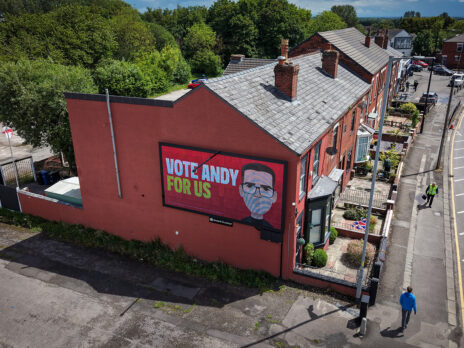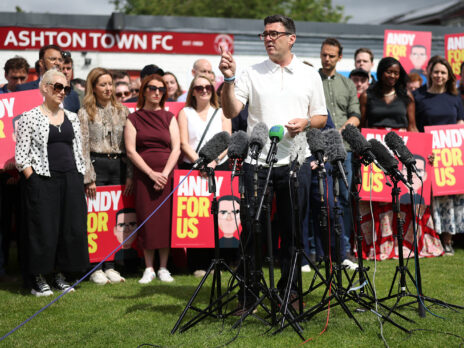
One thing we can say with confidence about the Makerfield by-election result: it is not good news for Keir Starmer. That would admittedly have been true regardless of the result – in a straight fight between “vote Reform to punish Labour”, and “vote Burnham to change Labour”, it was hard to find a pro-Starmer option on the ballot. Nonetheless, both the scale of Burnham’s victory and more reports from the doorstep of a visceral hatred of the prime minister – that title remains, at time of writing, correct – seem to confirm his days are numbered.
This much will surprise no one not currently living in Downing Street. In a whole bunch of other ways, though, Thursday’s by-elections may have shaken the received wisdom of the Westminster bubble. With victories for Labour and Tories alike – the latter the party’s first Scottish by-election win in 59 years – it is possible that reports of the death of the traditional duopoly may be at least slightly exaggerated.
Another now questionable assumption is the idea that high turnout tends to benefit the radical right. In the two world-shaking elections of 2016 – Brexit; Trump – anti-liberal forces carried the day largely by activating disillusioned voters who didn’t normally turn out. When it emerged that turnout in Makerfield had been nearly 59 per cent – more than six points higher than at the general election that produced Labour’s loveless landslide two years earlier – some (OK, me) feared that history was repeating. But no: Burnham had it, and it wasn’t even close. Perhaps, when told they’re choosing the next prime minister, people take it seriously. Perhaps they really do just hate Keir Starmer.
Or perhaps this was liberalism’s revenge. Every action had an equal and opposite reaction, and the most uncompromising political movements are the best at motivating their own opponents. People hate Keir Starmer, sure; but many hate unabashed misogyny and Nigel Farage, too.
That brings us to our next overturned assumption: the idea that Reform is unstoppable. Sure, what the party has achieved in the past two years is impressive, in roughly the way certain natural disasters are. They must still be considered the favourite for the next election. But the party’s poll share has drifted, from around 31 per cent last autumn to perhaps 27 per cent now.
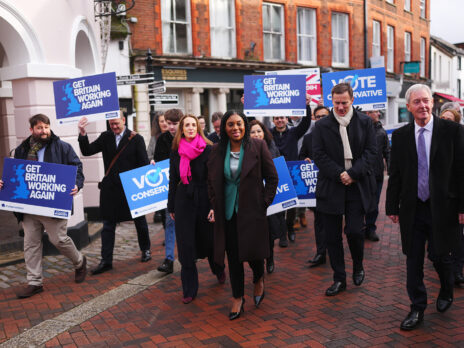
And this is not the first by-election at which either the party underperformed hysterical media expectations (Hamilton, Caerphilly), or an anti-Reform coalition clearly rowed in behind whoever was most likely to win (Gorton & Denton). Farage’s party is a favourite in the same way Labour was in 2024 – less thanks to genuine enthusiasm than to disdain for the incumbents. The party’s habit of picking voter repellents like Kenyon or Matt Goodwin seems enough to make many think twice.
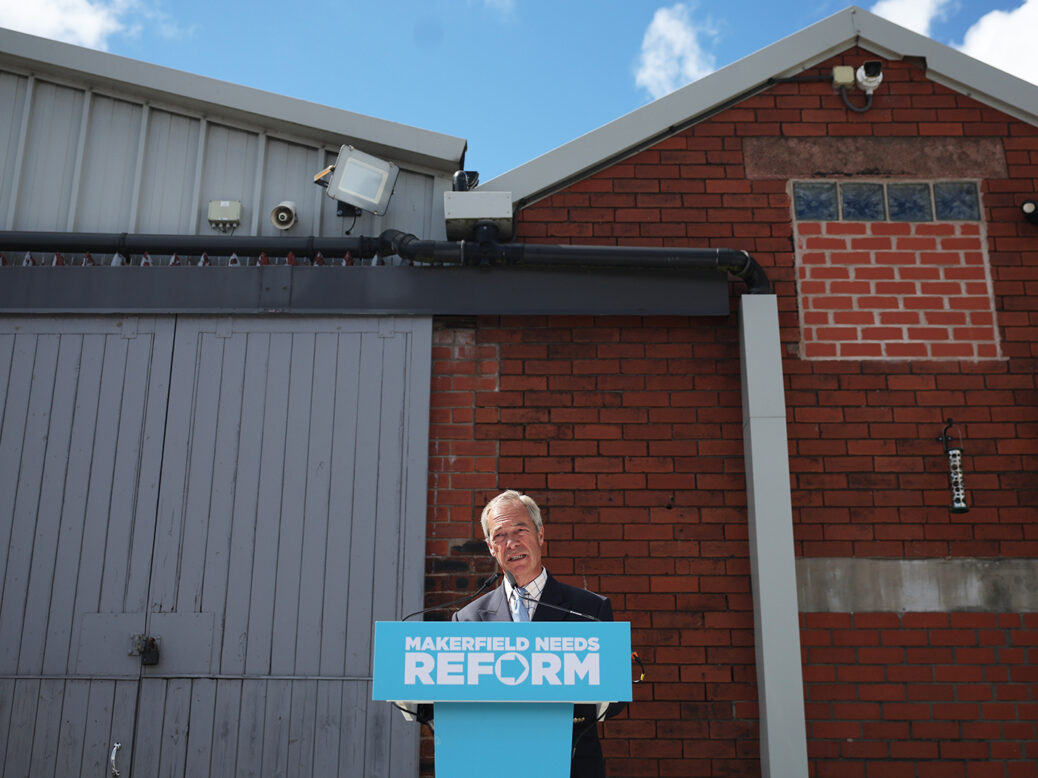
That would be less of an issue in a general election with less focus on individual candidates. A problem more likely to persist is that Reform no longer has the radical right to itself. When Nigel Farage finally overcame his newfound fear of cameras on Friday morning, it was to make a desperate pitch to those tempted by Restore: “I would urge you to think again; I really, really would.”
It seems unlikely the 7 per cent of Makerfield voters who just opted for Reform’s yet more evil twin were unaware of what Farage was offering or the case he was making. The sense is of a man struggling to respond after being beaten at his own game, by an unabashed extremist who plays well on social media. Farage now faces the same dilemma he once posed to the Tories: stand firm and lose votes to his right; move right and alienate those closer to the centre. The rise of a party so extreme it requires me to refer to Reform’s voters as “closer to the centre” is, of course, terrifying; but there is some comfort in the fact that watching Farage flail is at least extremely funny.
The biggest assumption overturned by the by-elections, though, is the depressingly widespread belief that the only way to win was to keep ratcheting further and further towards the politics of rage. There are more than a few reasons to doubt Burnham can deliver on his message of hope and change. Nonetheless, he campaigned on neither “steady as she goes” nor “legitimate concerns”: his message was that things can and should get better. And with that, he took Labour to overwhelming victory in a Leave-voting red wall area which as recently as last month opted overwhelmingly for Reform.
It’ll be hard for Burnham to remain the change guy if he makes it to Downing Street, and Farage, like the Emperor Palpatine, has an unnerving ability somehow to return. But there’s a quote from Tom Stoppard’s 1993 play Arcadia that seems appropriate today. “It makes me so happy,” says one character, talking of quantum physics, not political uncertainty. “It’s the best possible time of being alive, when almost everything you thought you knew is wrong.”
Arcadia, admittedly, is about how death is always lurking, even on the best of days. All the same, to be at the beginning, again, knowing nothing, again, really does feel good sometimes.
[Further reading: Only Keir Starmer can take Labour’s hope away now]
Content from our partners

Related