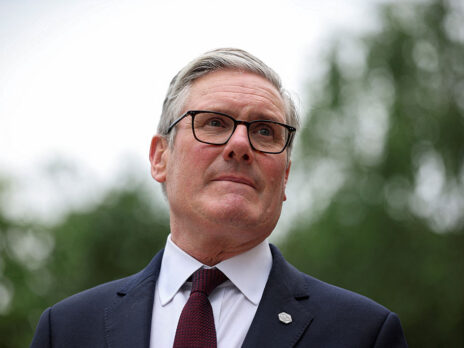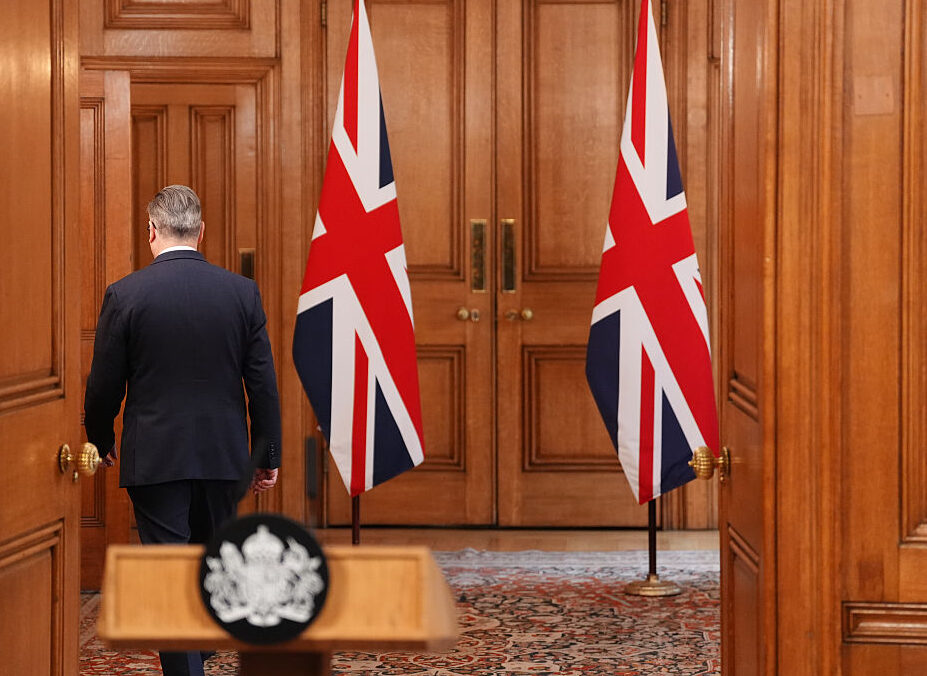
As Keir Starmer spent the heatwave weekend at Chequers, contemplating his future, a sense of inevitability grew around his resignation. He had insisted on Friday (19 June) that he wasn’t going anywhere. But over the weekend, friends and allies have concluded it is game over, and Starmer himself began to consider his departure. Donald Trump even announced Starmer’s impending resignation on his social media, stating it as fact.
Yet for all that there is now a widespread expectation in Westminster that the Prime Minister will set out a timetable for his exit, probably on Monday, my understanding is that Starmer had not reached a final decision on Sunday, however inevitable it may appear.
There are a few factors at play as Starmer decides what to do.
1. The first is simply that Starmer has learned, through trial and error, not to rush decisions. He has taken his time with most of the most important decisions in his leadership, and has regretted the moments where he hasn’t, such as the sacking of Olly Robbins. “Some of his worst decisions have been taken to meet the demands of certain news cycles,” one Starmer ally says. In the weekend-long “grace period” provided by Andy Burnham, a similar sense of inevitability and expectation is building, and Starmer is keen to take counsel and really think through the consequences before he leaps into something with far-reaching consequences for himself, his family, the Labour Party and the country.
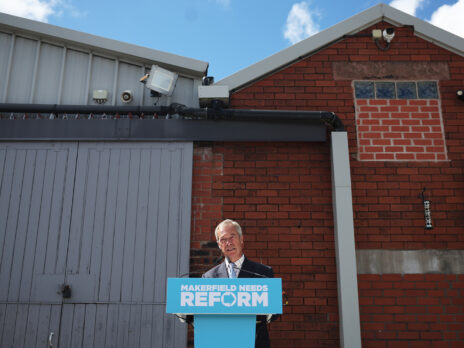
2. Starmer still doesn’t see why he should go. He is looking around at the chaos caused by people who have wanted to get him out of office for at least six months – Burnham, Wes Streeting, his once-loyal friend Ed Miliband – and thinking, as the Starmer ally above put it: “Hang on, it’s not me who started this, it’s them!” He is furious at the damage he thinks has been done to the government over that time, with all the focus on internecine Labour feuds and constant chatter about where the government was failing, rather than the alternate world he imagines in which loyal ministers cheered on positive economic indicators, Labour pulled together, and the focus fell on Nigel Farage’s questionable £5 million donation. In this context, I’m told, Starmer is resentful that it’s now being suggested that he would be the one causing chaos or instability if he stayed.
3. He genuinely doesn’t think Andy Burnham’s ready. Starmer is indignant at the idea that he should cede power to someone whom he doesn’t believe is prepared for it. Burnham’s allies have made it clear privately that a September handover would be their ideal timeline to allow the new leader to prepare for office, as well as giving Starmer time to leave with dignity, secure his legacy and serve a full two years as prime minister. But one ally compares that idea to Starmer, having been forced out, then being asked to “mind the shop for three months while Andy learns his ABCs”. Some of Starmer’s allies see the idea as cheeky and presumptuous on Burnham’s part, and are contemplating what might happen if Starmer vacated Number 10 with more immediacy.
[Further reading: The Makerfield Test]
Content from our partners

Related