
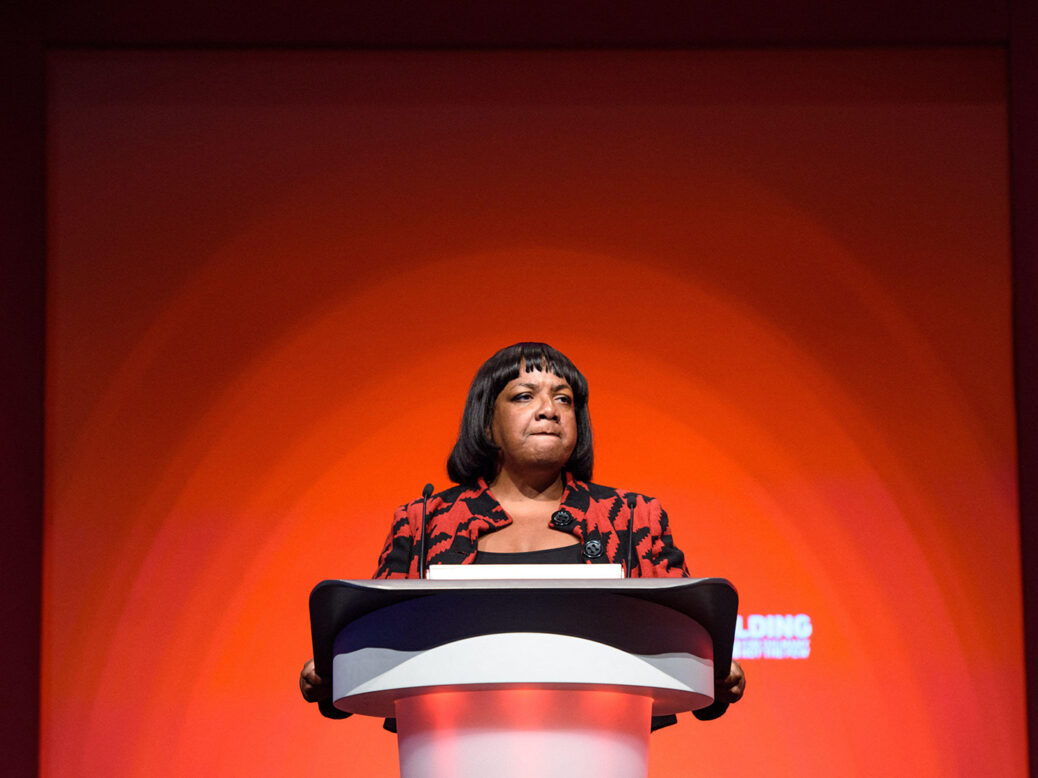
Diane Abbott’s return to the Labour Party is another sign that Prime Minister Andy Burnham wants to break decisively with the culture of Keir Starmer’s No 10. The squalid attempt to block Abbott from standing in the 2024 election revealed a contempt for Labour history, for London and for women of colour. An outcry led by Harriet Harman and Ed Balls, and including other old-timers like me, led to Abbott standing and becoming the “Mother of the House”. And what an amazing moment in our country’s shared history that was – the first black woman MP becoming the longest-serving woman in the House of Commons.
Diane Abbott’s story is the story of Labour in London. In 1987, when she was elected as Hackney North MP, the party was beginning its recovery in the capital. The Greater London Council (GLC) had been abolished the previous year by Margaret Thatcher but some of its leading figures were entering the Commons – Ken Livingstone and Paul Boateng in Brent East and Brent South. More significantly, though the GLC was attacked by the tabloid press at the time as a hotbed of “loony left” politics, its policies have since become mainstream. Tony Blair introduced civil partnerships and strengthened equalities legislation, echoing the GLC agenda on gay rights, women’s equality and equal opportunity.
The Labour left’s authorship of key elements of New Labour was never conceded. But the modernisation of Blairism was fundamentally based on championing the modern, multi-faith, multi-ethnic country that was first represented by Abbott and the three other black and minority ethnic MPs elected in 1987 – Bernie Grant, Keith Vaz and Paul Boateng.
In order to build on the small representation Diane led an unsuccessful campaign to create Labour Party Black Sections. The organisational demand failed, but, as so often in progressive politics, that loss was not a permanent defeat. Together with Harriet Harman – her predecessor as MOTH – Diane changed the face of the Commons. Both, in their way, were role models and inspirations for young women in the party. Their campaigning led to all-women shortlists which has made the Parliamentary Labour Party 50-50 men and women. And with that diversity came other representation – 66 non-white Labour MPs were elected in 2024 out of a total of 90 in this parliament. If you want to see a monument for Abbott’s politics just look on the opposition benches. Without her militant activism, it’s unlikely that the Tories would have a black female leader.
Labour is a broad church or it is nothing. The Gorton and Denton by-election, the results in London boroughs in May and the Senedd and Scottish parliament elections showed clearly that progressive voters can find a congenial home in other centre-left parties if Labour disappoints. The restoration of party membership to Abbott has been paralleled by the appointment of members of the Socialist Campaign Group as parliamentary private secretaries – the first rung on the ladder towards a ministerial appointment. This pluralism has to be just the start of renewing Labour in the country. Every local party lost members and activists when Keir Starmer became leader. The “loveless landslide” was built on a fragile coalition of voters that fell by half in just two years.
The next task for the Political Office in No 10, under the leadership of canny New Zealander Hayden Munro, is to work with the new general secretary – when appointed – to rebuild the party. That renewal has to include regaining the support of the urban voters Labour lost so disastrously this May. And we have to bring back councillors who left us because of the leadership’s moral failure over Gaza. Laozi said “a journey of a thousand miles starts with one pace”. Restoring Labour’s soul starts with giving Diane Abbott back her membership card
[Further reading: Andy Burnham faces a dangerous world]