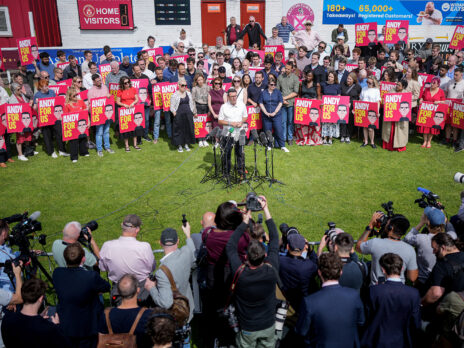
Earlier this month, a profile appeared in the Telegraph of Mark McVitie, formerly of the Labour Growth Group, discussing his work behind the scenes of this government and potentially the next. Left off the CV provided in the article, however, was McVitie’s time as an activist for Our Future Our Choice, one of the constituent organisations of the People’s Vote campaign.
I can see why he left it off. The People’s Vote famously failed, and did so in a way that many (involved or otherwise) look back on with something perhaps worse than regret: cringe. Career wise, however, McVitie is not alone in lugging this very 2010s CV detail into a very different political decade. He shares the entanglement with a healthy number of Labour MPs, Spads and staffers. Nor is this exclusive to Labour; on the right, Reform’s Sam Ashworth Hayes (formerly of the Telegraph) cut his teeth working for In Facts, another People’s Vote subsidiary, while Sunak-era No 10 spad Will Dry (last seen, after a dramatic departure from Downing Street late in Sunak’s term, in a Hope Note Hate report on right-wing influence networks) was among the co-founders of Our Future Our Choice. From polling to journalism to campaigning organisations, veterans of the People’s Vote campaign are everywhere for those with eyes to see. Luckily, having written a book on the campaign, I have just those eyes. Oh, you’re enjoying a charming video by online sensation “”? Did you know the man masterfully reviewing that dessert was involved in the founding of youth anti-Brexit movement For our Future’s Sake (FFS)? As I repeat like a hard bitten detective, there is always a People’s Vote angle.
One of the observations you can draw from this is banal and logistical: that there isn’t a lot of money in British politics, and that the fairly well funded anti-Brexit world provided a lot of entry level jobs and as such was a starting point for a lot of people’s careers in and around politics – a good starting point at that, for various reasons related to how it was run. Accordingly, people who were starting out in politics eight years ago or so are now in positions of some importance, and we are seeing them among the ranks of advisers and in our newspapers and think tanks and polling organisations and short form dessert review content.
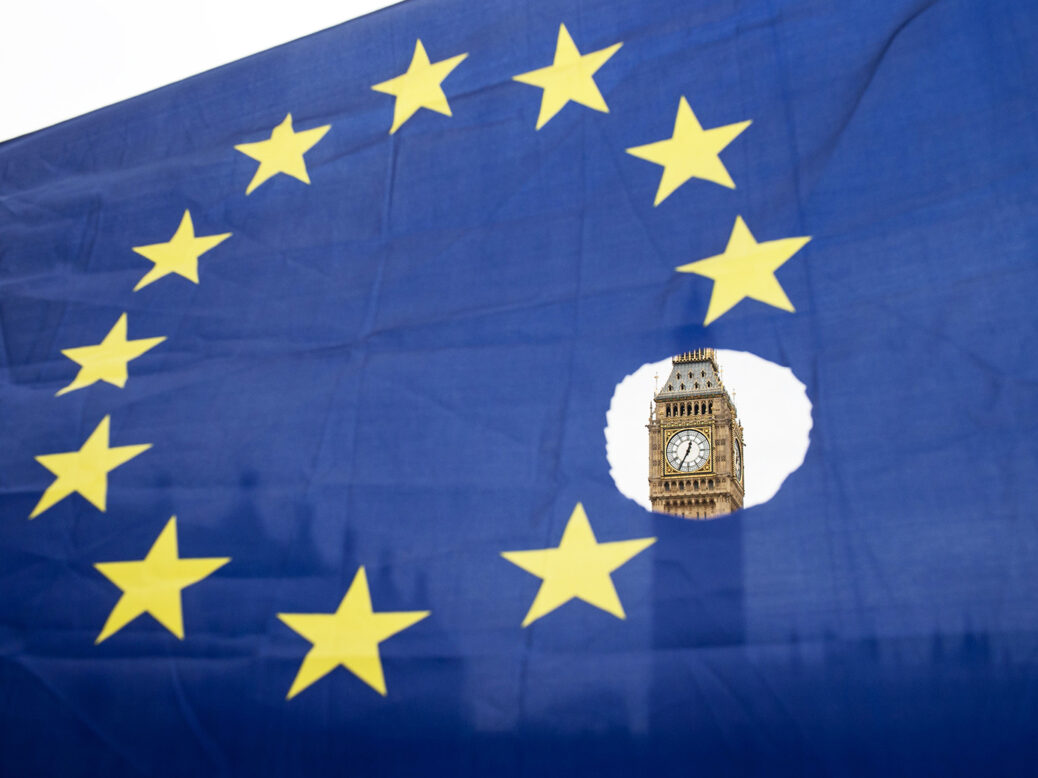
Now, ten years after the vote to leave, six and a half years after Britain actually departed, the question of rejoining is beginning to surface once more. Polling from Best for Britain – the last man standing in the space, which, because of its funding position and its lack of formal affiliation with the People’s Vote, did not go down with the ship when the enterprise dramatically blew up in late 2019 – suggests that the public’s view has changed. Positioning on Europe is certain to figure in any forthcoming Labour leadership race, which is to say the race to pick the next prime minister. You would think that, now that the question of rejoining the EU is beginning to surface seriously once more, these former People’s Voters would re-activate, sleeper agent style, and snap into action for their once-and-future cause.
However, as the variety of paths laid out above suggests, the former denizens of the anti-Brexit kingdom have not been walking in straight political lines for the last eight years (and why should they have been: it’s a long time in which people could very reasonably change their minds on a whole number of things). However, among those who might still want to rejoin in 2026, my interviews suggest that the experience was both very formative and very painful for many. This is a difficult combination to overcome: if you’ve learned something hurts, you’re less likely to want to do it again (indeed, many people I interviewed had come to view the entire push for a second referendum as misguided, despite having worked for years to bring one about). This isn’t the case for everyone, of course: people like Andrew Lewin (then the founder of Remain Labour, now the Labour MP for Welwyn Hatfield) and Stella Creasy are as ardent as ever in their pro-Europeanism. Europe is finally re-entering the national conversation after years under a Starmer-era shroud. Yet if a new rejoin campaign really takes off, those who came closest to the last campaign may sit this one out.
[Further reading: EU again?]
Content from our partners


Related