
I was at the Progress conference in the City of London this weekend, where the Labour Party’s moderate wing was gathered for a day of policy discussions and soul searching. As one source at the conference told me, the Labour right is “tearing itself apart” over the past ten days of chaos that has engulfed the Parliamentary Labour Party. It was here that the former Health Secretary, Wes Streeting, confirmed he would run for the Labour leadership, taking this first opportunity to make his pitch.
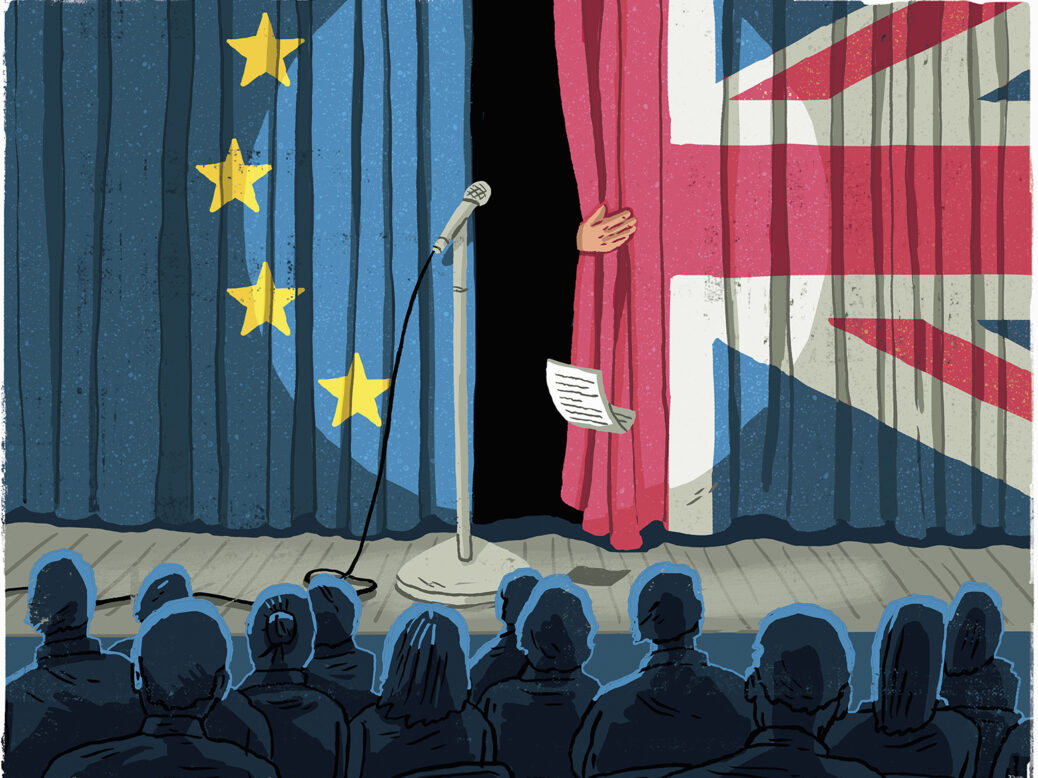
The battle lines of a future Labour leadership contest are beginning to be drawn. Streeting laid the first stroke when, in a speech on Saturday, he called for the UK to rejoin the European Union. He described Brexit as a “catastrophic mistake” and added: “We need a new Special Relationship with the EU, because Britain’s future lies with Europe and one day – one day – back in the European Union”.
Creating a fault line on the EU is obviously intended to bolster Streeting’s prospective leadership bid. Unlike Andy Burnham, the only electorate that Streeting needs to win over is the Labour membership, of which 65 per cent believe the party should commit to rejoining the EU in its 2029 manifesto. Streeting’s popularity with Labour members is arguably his biggest barrier to Downing Street. Polling from last week suggested he would win over just 23 per cent of members in a straight contest against Keir Starmer, who by contrast would win 53 per cent. He clearly has some work to do. (Burnham, however, remains the most popular contender).
Burnham, on the other hand, must also win over the voters of Makerfield (if he is chosen as the Labour candidate to run in the by-election, that is). Well over half of voters in this Wigan constituency (65 per cent) voted Leave in 2016. And at the local elections in May, 24 of the 25 seats up for grabs were won by Reform (which, lest we forget, was called the Brexit party up until 2021).
But Burnham too, has previously said he thinks that the UK should rejoin the EU in future. Speaking at Labour’s annual conference in September last year, the Manchester mayor said: “I hope in my lifetime I see this country rejoin the European Union.” When asked about his position while out campaigning in Makerfield over the weekend, Burnham doubled down on this position in the “long-term” but said he would not be advocating that in this by-election.
His allies have of course come out in force against Streeting, describing his re-opening of the debate as an attempt to derail Burnham’s bid for the leadership. But what is perhaps the most interesting is how little difference there is between the position taken by the two men, and the government’s own stance under Starmer. All three have called for a reset of the relationship with Europe, with a view to even closer ties in the future.
So the question remains: does the Labour Party need to have this debate right now? After a damaging set of local election results, with some of the biggest losses sustained in areas which ten years ago voted leave, does it make sense to re-open this issue? For Streeting, as I set out earlier, it obviously does. But if he is serious about becoming the next Labour prime minister, how much will this discussion help the party in the long-term? And for Burnham, whether he is able to find a way of navigating this renewed debate could prove crucial to the success – or failure – of his by-election campaign.
This piece first appeared in the Morning Call newsletter; receive it every morning by subscribing on Substack
[Further reading: The Labour Party is dead, and Starmer has killed it]