
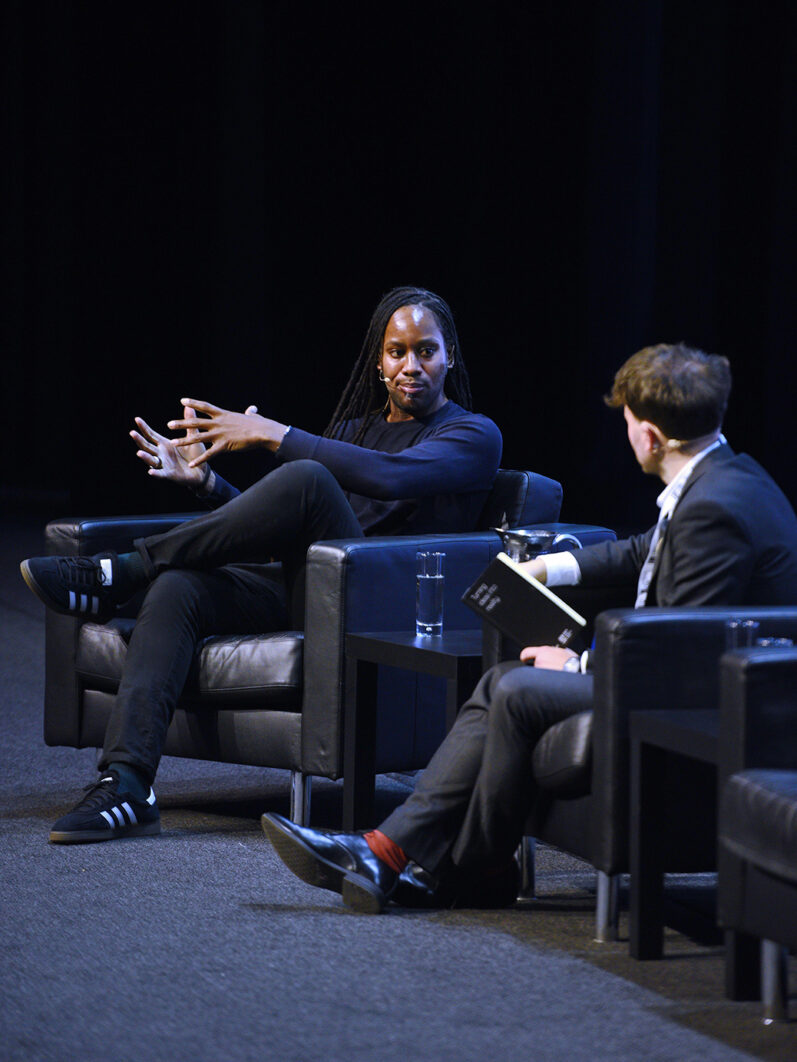
Jason Arday, a professor of sociology of education at the University of Cambridge, resigned in July amid allegations of plagiarism in his published work. The case has drawn intense media attention and sparked a wider controversy over diversity equity and inclusion policies in British universities.
Arday, who is Black, was appointed to his chair in 2023 at age 37, making him one of the youngest professors in Cambridge's history. His appointment was widely publicized by the university as a milestone for representation. The plagiarism allegations, first reported by the student newspaper Varsity, concern multiple academic publications. Cambridge has confirmed an investigation is underway but has not released details.
Media reaction and political context
The coverage has extended far beyond academic circles. Right-leaning British newspapers and commentators have presented the allegations as evidence that DEI initiatives have compromised academic standards. Some have argued the case proves white scholars are being disadvantaged by diversity quotas.
Nathan Cofnas, a philosopher known for controversial views on race and intelligence, has appeared in multiple media outlets arguing the Arday case validates his claim that diversity policies promote unqualified candidates. Jason Okundaye, a writer and commentator, countered that Arday was treated "not as a scholar but as a mascot" by the university's publicity machine.
The debate echoes tensions that have grown since the Black Lives Matter protests of 2020. British conservative media have consistently challenged diversity programmes across public institutions including the BBC, the National Health Service and the civil service.
Internal university criticism
More than 90 Cambridge academics have signed a letter to the vice-chancellor demanding a full inquiry into the appointment process. They allege the Faculty of Education may have been alerted to potential misconduct within months of Arday's appointment but that the investigation was delayed.
The signatories argue that academic misconduct investigations at Cambridge and other universities routinely take too long and produce unclear outcomes. They are calling for systemic reform of misconduct procedures.
Critics within the university have also contrasted the extensive publicity surrounding Arday's appointment with the silence from senior leadership since the allegations emerged. No senior administrator has publicly defended racialized scholars against the broader narrative that the case discredits diversity hiring.
The affair unfolds against a backdrop of severe financial pressure on UK higher education. Universities have faced more than a decade of funding cuts, staff redundancies and restrictions on international student recruitment driven by immigration policy. Some observers argue the Arday controversy has diverted attention from this structural crisis.
Related from New Statesman Canada
- The critic who shapes comedy careers at the Edinburgh Fringe
- Ricky Gervais returns to Netflix with Alley Cats, an animated misfire that leans on tired provocations
- Charred 14,000-year-old loaf in Jordan rewrites history of bread and civilisation
- British columnist confronts financial precarity and fading fame in latest collection
- Frank Cottrell-Boyce argues austerity, not screens, has broken British childhood