
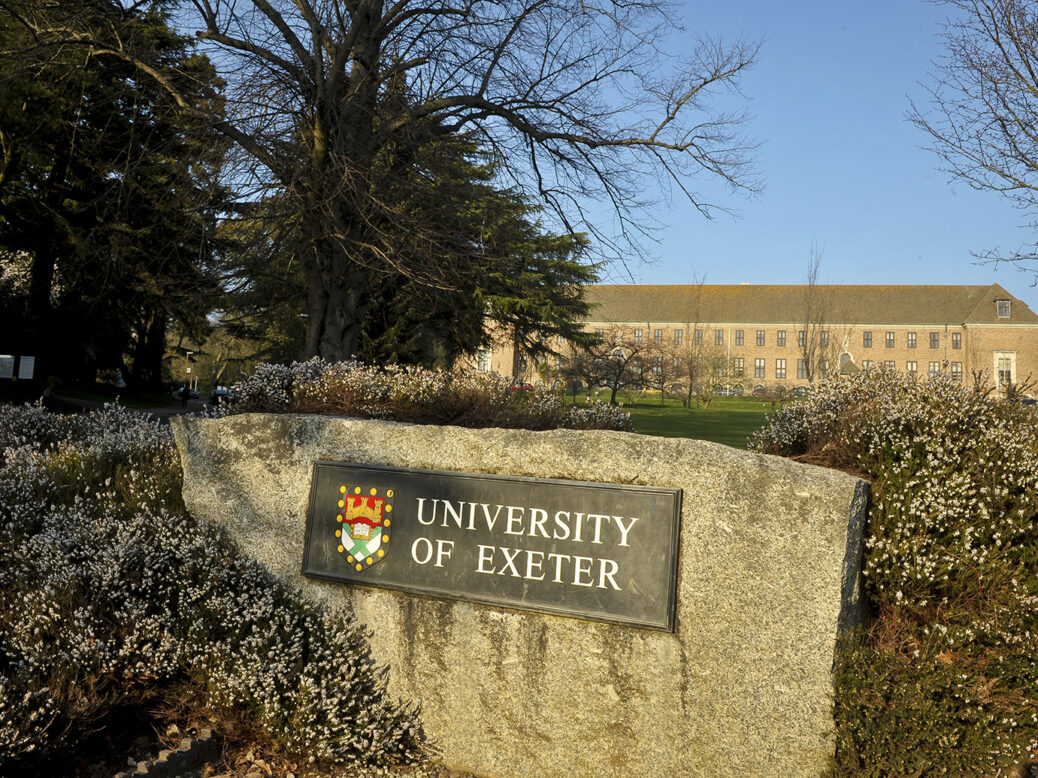
The sleepy city of Exeter has become the locus of the country’s fraught battle over universities. Three weeks ago ago, its local university announced plans to lay off 150 teaching and support staff. Managers are expected to escape unscathed; Stem teaching and research will largely remain intact. Eighty-five per cent of staff at risk of redundancy are in the humanities, according to the university’s union. Britain’s thinkers are upset. Rowan Williams has expressed concerns about the decline of “humanistic and cultural education”. Rory Stewart has called the situation “worrying”. A petition to stop the redundancies has received 30,000 signatures.
If the cuts go ahead, the university’s 60-strong English faculty will shrink by a third, according to one source inside the department. They claim that staff who remain have been told they will have to take on double their usual teaching load. Any decrease in research activity will cause a financial catch-22 for the university: successful researchers bring in external funding, the bulk of which they never see themselves. It might cost £10,000 to conduct a social sciences trial. Grant figures will have to inflate to cover a university’s “estate costs”, meaning building maintenance and bills, as well as “indirect”, or administrative, costs.
Subscribe to read the full article. Change Browser if you are already subscribed.