
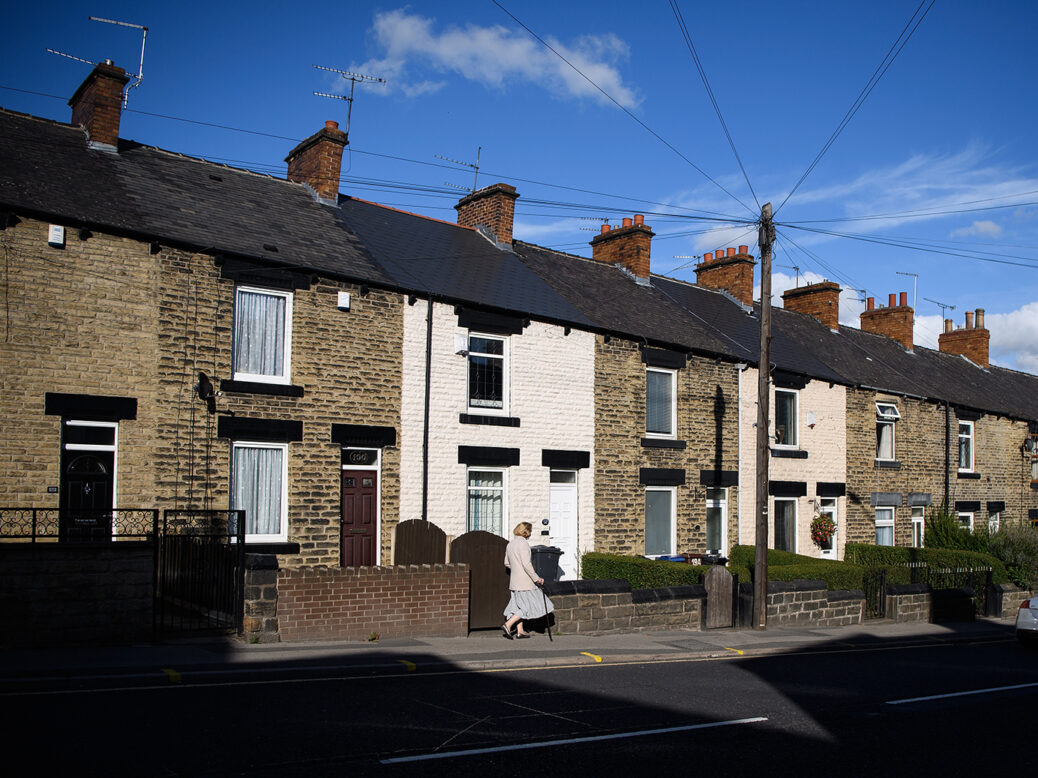
To “Barnbados”, or “the Barnsley Riviera”, as London friends sarcastically labelled the destination of my modest family holiday to the outskirts of Barnsley, South Yorkshire. Our jolly fell at a convenient time. Not only is parliament in recess for the summer, but – I was informed by Labour sources – this is a good time to get out of Westminster because we are living through a phoney war. Save your energy for the autumn, they counsel, when conference falls, the Budget looms and the government makes a bunch of new hires. This will be, they say, a “second transition”. A good excuse to take a holiday, but it did trigger baleful reminiscences of Keir Starmer’s endless “relaunches” and their steeply diminishing returns. Not again, surely.
Wealth and power
I found our chosen slice of South Yorkshire beautiful in its way, and packed with history. The landscape was everywhere rural but nowhere verdant, and all its yellow and brown-ish hills were being put to some very precise agricultural purpose. The only truly untamed bits I could find were side effects of obsolescence. We stayed, for example, near an abandoned wagonway that once serviced the pits in this thoracic bit of England’s coal spine. The bosky trail is now overgrown with wildflowers. At the end of it you will find the village of Silkstone, with its two fine old pubs and a memorial to 26 children who drowned in a local pit disaster in 1838. In response, parliament passed a law to prevent children from working down the mines… if they were below the age of ten. A reminder that, one day, some of the ways we live will seem insane to right-thinking people.
Confronting chequered pasts
On the drive back home we stopped at Chatsworth House, a monstrous, baroque protuberance in the wild Derbyshire Dales. While many of the English aristocracy’s grand houses were forced into the hands of the National Trust by virtue of Labour’s postwar death taxes, the Cavendish family managed to hold on to theirs. Now they decide how its story is told. About half the house is occupied by the family, while the rest is open for much of the year to the public (for £33 a head).
I suppose the last noteworthy thing the family did was fall into acquaintance with Oswald and Diana Mosley (through marriage to the latter’s younger sister, Deborah “Debo” Mitford). Diana, a Holocaust denier to the end, was known to visit Chatsworth in her later years and enjoyed the stout support of her sister, the chatelaine. I didn’t spot any of this mentioned in the laudatory plaques around the house. While we can all mock the National Trust for its sometimes cringingly earnest adherence to the historical record, when confronted with such a simpering, evasive alternative, I found myself missing those do-good conservationists.
Words to the wise
One truly impressive bit of Chatsworth was its library, which contains at least ten copies of Paradise Lost, a testament to John Milton’s appeal. It inspired me to dust off my own schoolboy copy, and reading it once again supplied the “joy ineffable” of Milton’s heaven. I had also forgotten how brilliantly full it is of unfamiliar, old words, quite a few of which I now propose to revive.
Some, just for fun. First there is “horrent”, for something covered with spikes. This will put me in good stead if I ever need to jot down a detailed description of a hedgehog (I was once witness to a fox invading the parliamentary estate, so it could happen). Then there is “maugre”, shorthand for those cumbersome compounds “notwithstanding” and “in spite of”. It could prove useful, maugre that no one will have a clue what I’m talking about. Others will be very handy indeed. Take “glozing”, deployed by Milton to describe Satan’s slippery lies in the Garden. To “gloze” is to fawn over someone. What a lot of glozers there are about now, particularly in my line of work, and finally a word to describe them!
Designs on paradise
Back home, a family member is settling in to a voluntary role on the local Pride in Place board. Since this Starmer-era scheme for the allocation of public money to poor areas by groups of local representatives was announced, I have heard all manner of wonkish dismissals in Westminster: it’s a pork-barrel gimmick; a regeneration project but not a growth scheme; an elaborate way for councils to plug their budgets. And so on. And yet the board members in my home town seem charged with a sense of purpose and responsibility. As a great man once wrote, not in a poem but in one of his more lively pamphlets: “The power of kings and magistrates is delegated from the people, to the common good of them, in whom the power yet remains fundamentally, and cannot be impeached by any abdication or resignation.”
Andrew Marr is away
[Further reading: Andy Burnham is the Green Party’s biggest threat yet]