
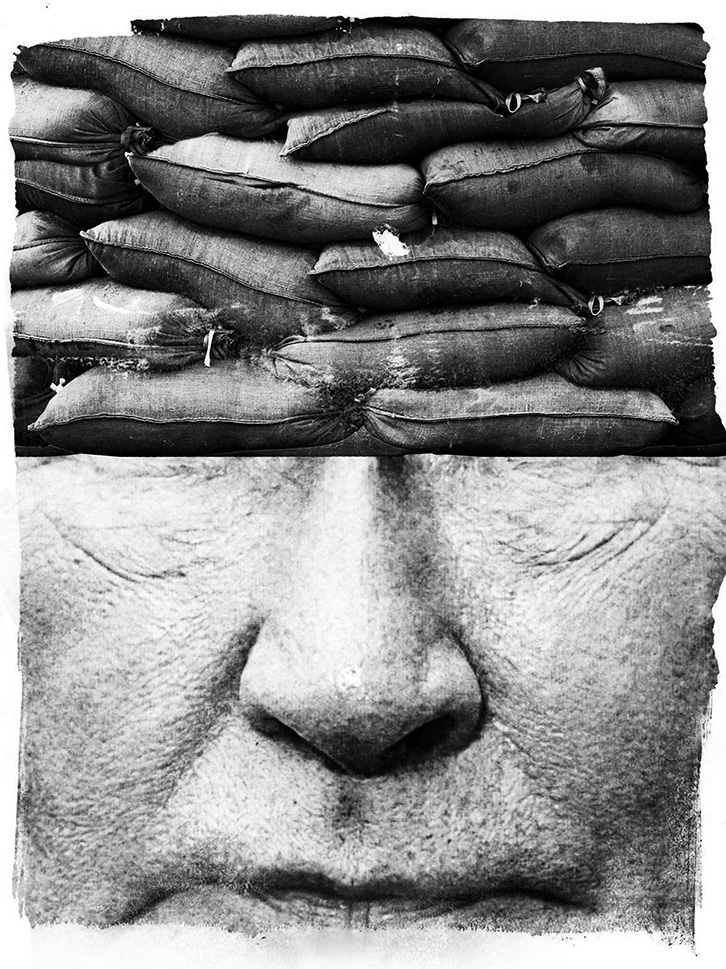
Inside Vladimir Putin’s bunker, his war was going according to plan. The Kremlin released footage of Russia’s supreme commander-in-chief meeting his generals at a command post on 3 July, wearing fatigues and surrounded by camouflage netting to suggest he was somewhere near the front line. He listened to the latest battlefield reports, satisfied that Russian forces seemed to be advancing on all fronts. They clearly held the “strategic initiative”, he said. He commended, in particular, the capture of Kostyantynivka, a small city in the Donetsk region that marks the southernmost point in Ukraine’s “fortress belt”. Medals would be awarded, Putin vowed. He reeled off a cascade of statistics: they had seized 133 settlements so far this year; there were around 20,500 homes in Kostyantynivka. No detail was too small to have escaped his grasp. Putin was in control of everything, the performance seemed designed to show, and everything was under control.
Above ground, Russia’s victory looked less inevitable. Kostyantynivka had not fallen. The Russian offensive was stalling. Across the country, long queues were forming at petrol stations as Ukrainian drone strikes on Russia’s energy infrastructure caused widespread shortages of fuel. Since May, the Ukrainian military has targeted oil refineries from Omsk in Siberia to the outskirts of Moscow, grounding flights and filling the skies above the capital with thick black smoke. Residents later complained that it was raining oil. On 28 June, ten days after the attack on Moscow, Putin acknowledged that the strikes were causing “problems”, but he insisted the fuel situation was “not critical”. Russia has banned diesel exports and announced plans to buy fuel from Belarus, India and Kazakhstan. Still, the queues are lengthening. Videos on social media showed fights breaking out and exasperated drivers waiting hours, even days, to fill up. On 6 July, less than an hour after urging people not to “give in to panic” over the shortages, Georgy Filimonov, the governor of the north-western Vologda region, admitted that he had been left stranded when his car ran out of petrol.
Subscribe to read the full article. Change Browser if you are already subscribed.